
What Chronic Illness Steals From Kids
When the grown-ups are sick, the kids still notice everything. Resilient doesn't mean unaffected — and it sure as hell doesn't mean unaware.
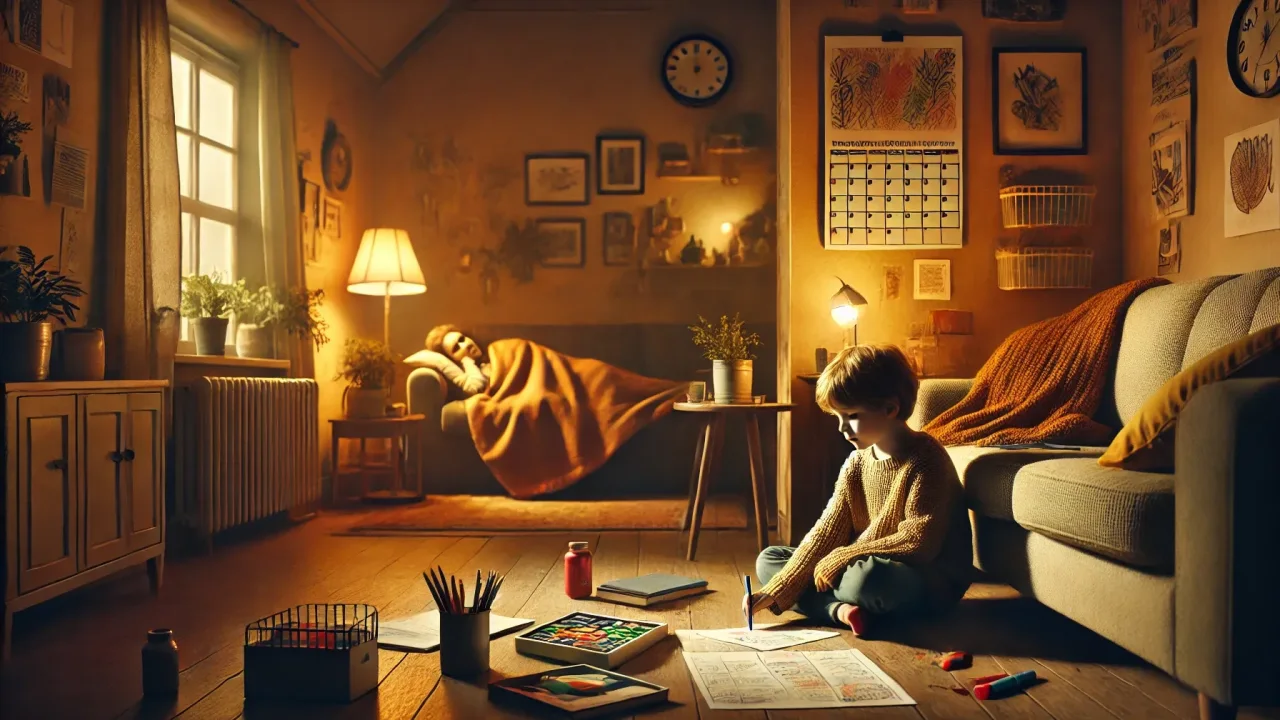
Kids are supposed to be resilient. That’s what people say.
But here’s what I’ve learned after watching chronic illness knock down every adult in our house: Resilient doesn’t mean unaffected. Resilient doesn’t mean untouched. And it sure as hell doesn’t mean unaware.
My daughter was 9 when Lyme disease swallowed our lives whole. She was also sick—but not in the “cough and fever” kind of way. She had the kind of illness that crept into her brain, stole her laughter, and left her confused and terrified inside her own body. That kind of illness is cruel. But here’s the twist:
Even if she hadn’t been the one with symptoms, it still would’ve changed her.
Because when anyone in the house is chronically ill, kids notice.
They notice missed birthday parties and whispered conversations behind closed doors. They notice when dinner gets skipped and the mood in the room goes flat. They notice when Mom stops singing in the kitchen, or Dad starts forgetting things, or the family vacation turns into a medical trip.
They may not have the language for it. But trust me: they feel the shift.
Kids Are the Quiet Caregivers
Most people don't talk about them.
We rally around patients. We acknowledge parents-turned-caregivers. But we rarely talk about the child who becomes the “easy one” because their sibling needs more. Or the teenager who stops asking for rides because Mom’s in bed again. Or the seven-year-old who draws pictures of IVs because that’s what they see every week.
Kids in chronically ill families often become silent shape-shifters. They absorb. They adjust. They step back. And sometimes, they start believing that their needs are too much. That their job is to stay strong, stay quiet, stay low-maintenance.
It’s not because anyone told them that. It’s because they see everything—and they adapt.
When Illness Reshapes Childhood
Our daughter missed dances and slumber parties. She missed her own laugh. She missed us—not just as caretakers, but as people.
And as we started healing physically (after treatments like whole-body hyperthermia), we realized just how much emotional debris had built up underneath it all.
We had to re-learn how to be a family. We had to help her unlearn what illness had taught her: that she was a burden, that joy wasn’t safe, that there was no room for her pain.
I wish we had done it sooner.
Because the truth is, kids don’t need us to be perfect. They just need to be seen. Heard. Considered.
Even in the thick of it. Especially in the thick of it.
If You're in It Now—Here's What I Want You to Know
If you're in a season where one (or more) family members are sick and the kids are “handling it,” check in anyway. Ask twice. Watch the art they make. Listen to the silences.
Don’t just let them be resilient. Let them be real.
Let them cry. Let them be mad. Let them say what hurts—even if it's "I hate this" or "I'm scared." Because saying it out loud helps it lose power.
And maybe most importantly: Let them still be kids. Even in a house that feels like a hospital. Let them laugh. Let them be loud. Let them be selfish, sometimes.
They’re not just witnesses to the illness. They’re survivors of it, too.
Your turn: If you grew up around chronic illness, what do you wish someone had seen? And if you're raising kids through it now—how are you helping them carry it?
Take Two More Steps and let’s keep this conversation going.