Lyme Specialist Near Me: How to Find a Lyme-Literate Doctor or Treatment Center
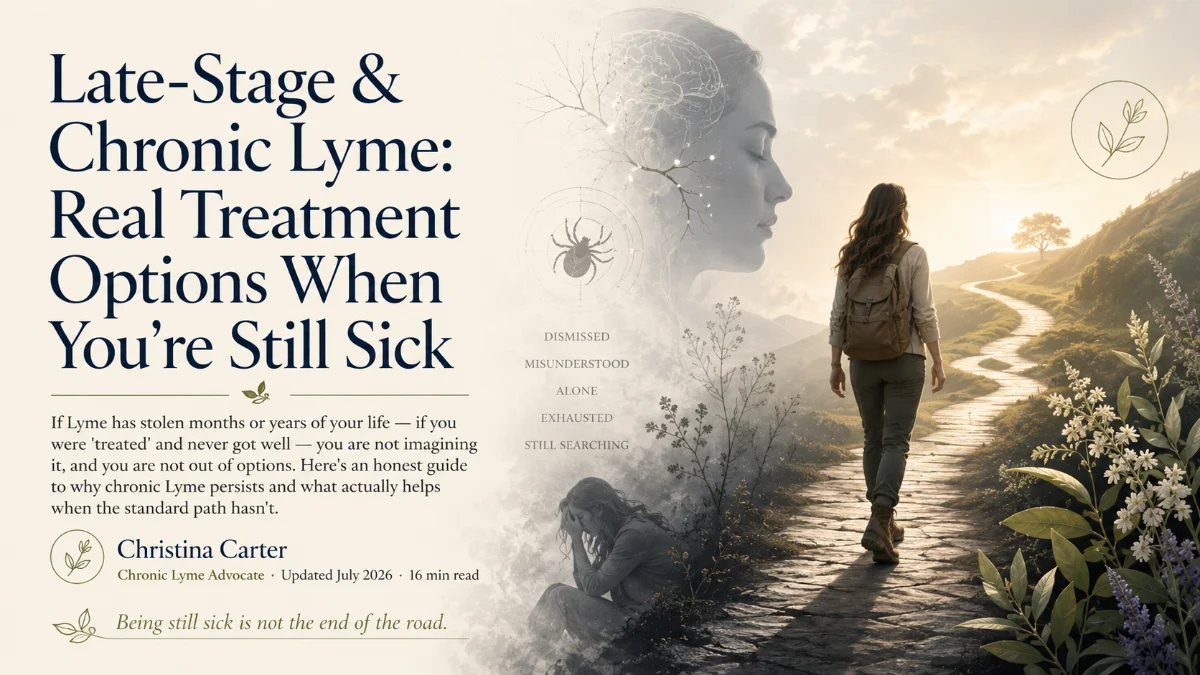
Searching "Lyme specialist near me" and coming up short? Finding the right doctor is often the hardest step in the whole Lyme journey — and getting it wrong costs time, money, and hope. Here's how to find a Lyme-literate clinician or center, why "near me" is trickier than it should be, the exact questions to ask, and the red flags that should send you running.
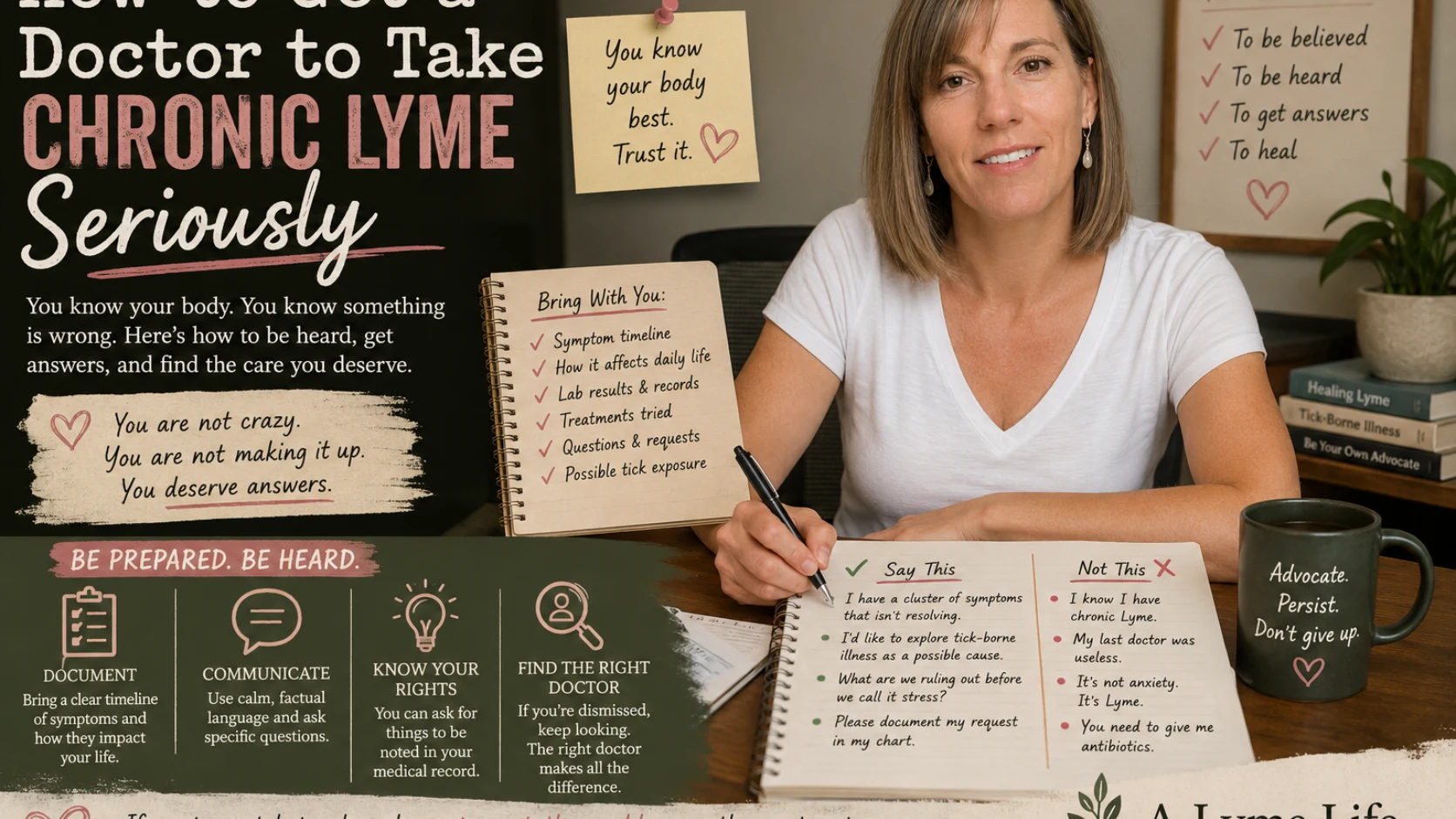
If you've been failed by the medical system — misdiagnosed, dismissed, handed "your labs are normal" while your life fell apart — then you already know the hardest part isn't wanting help. It's finding someone who actually gets Lyme — and getting them to take chronic Lyme seriously. I spent a decade searching. Let me save you some of that time.
Quick answer
What is a Lyme-literate doctor (LLMD)?
A Lyme-literate doctor, sometimes abbreviated LLMD, is a physician or clinician with specialized knowledge and experience in diagnosing and treating Lyme disease and its co-infections, particularly chronic or persistent cases. The term is informal rather than an official board certification. Lyme-literate clinicians are typically familiar with the limitations of standard testing, the role of co-infections, and a range of treatment approaches. Choosing one should be based on experience, transparency, and fit with your situation.
Key Takeaways
- An LLMD (“Lyme-literate medical doctor”) is a clinician experienced with the limits of standard testing, co-infections, and complex chronic cases.
- Look wider than your zip code: advocacy directories like ILADS, patient communities, and telemedicine — the right doctor beats the closest one.
- Bring a fixed list of questions to every consult; how they answer tells you as much as the answers.
- Green flags: takes co-infections seriously, honest about uncertainty. Red flags: one-size protocols, pressure, guarantees.
- Don’t let geography lower your standard — telemedicine widens your options.
What is a "Lyme-literate" doctor (LLMD)?
You'll see the term LLMD — "Lyme-literate medical doctor" — everywhere in the community. In plain terms, it's a clinician with real experience diagnosing and treating Lyme and its co-infections, especially the chronic, complicated cases that leave conventional doctors shrugging. Two things to understand: it's an informal label, not an official board certification, and being "Lyme-literate" matters enormously precisely because so much of mainstream medicine still under-recognizes chronic Lyme.
What you're really looking for is someone who understands the limits of standard testing, takes co-infections seriously, and thinks in terms of a comprehensive, individualized plan rather than a one-size two-week script.
Where to look
- Advocacy directories. Organizations like ILADS (the International Lyme and Associated Diseases Society) maintain physician referral resources — a common starting point.
- Patient communities. Lyme support groups (online and local) are gold for real, unfiltered recommendations from people who've been treated.
- Patient referrals. Ask others who got better: who did they see, and would they go back?
- Telemedicine. Because Lyme-literate care isn't evenly available, many people work with clinicians remotely or travel for treatment.
- A patient advocate. Someone who already knows the landscape can connect you with vetted clinicians and centers — and spare you the trial and error.
Is there a Lyme specialist near me?
Let me answer the question you actually typed. First, a quick clarification: "Lyme specialist" and "Lyme-literate doctor (LLMD)" mean the same thing in practice — there's no official "Lyme specialist" certification, so it's about experience, not a title. Now the honest part: truly Lyme-literate specialists are unevenly distributed, and plenty of regions have few or none. Searching "near me" can leave you with a short, discouraging list — or someone nearby who isn't actually experienced with complex chronic Lyme.
Here's the reframe that saves people the most heartache: the goal isn't the closest specialist — it's the right one you can reasonably reach. Two things make that far more achievable than it sounds:
- Telemedicine changed everything. Many Lyme-literate clinicians now consult remotely, so expert care is no longer gated by your zip code the way it once was.
- Traveling for the right care beats settling for the wrong care. A well-chosen clinician a flight away often costs less — in money, time, and false starts — than months with someone local who doesn't really understand chronic Lyme.
Questions to ask before you commit
Whether it's a solo doctor or a treatment center, bring this list to every consult. How they answer tells you as much as the answers themselves:
- How much experience do you have with chronic Lyme and co-infections specifically?
- How do you approach testing and diagnosis — and what if standard tests are negative but my symptoms fit?
- What treatment options do you offer, and why those?
- What does the full cost include — and what doesn't it?
- How do you monitor progress and handle setbacks or reactions?
- Can I speak with someone who has been treated here?
- Am I genuinely a good candidate for what you offer?
Green flags & red flags
Green flags
- Honest about what they can and can't do
- Sets realistic expectations — no guaranteed cures
- Gives clear, itemized costs in writing
- Answers hard questions without defensiveness
- Treats you as a whole person, not a protocol
- Willing to say you're not a good candidate
Red flags
- Promises a guaranteed cure
- High-pressure sales or urgency tactics
- Vague answers about safety and monitoring
- Won't provide itemized costs
- Dismisses or rushes your questions
- Pushes one treatment as the answer for everyone
Choosing a treatment center
If you're weighing a treatment center (especially abroad), the same principles apply, plus a few extras: understand exactly what's included, what aftercare looks like once you're home, and whether the center's specialty actually matches your needs. I go deeper in my guide to questions to ask before choosing a treatment center, my honest Sanoviv review, and what treatment abroad really costs.
The shortcut most people miss
Here's the truth: vetting doctors and centers alone, while you're sick and overwhelmed, is exhausting and expensive to get wrong. The shortcut is talking to someone who has already walked this maze and knows which clinicians and programs are trustworthy for which situations. That's exactly what I do — I help people skip the years of trial and error I lived through, and I do it for free.
If you're staring at a list of names and don't know where to start, let's talk. I'll help you figure out the right kind of care for your situation — with no pressure and nothing to sell.
Finding Care FAQ
A clinician with specialized experience diagnosing and treating Lyme and its co-infections, especially chronic cases. "LLMD" is an informal label, not an official certification. Look for someone who understands the limits of standard testing, takes co-infections seriously, and thinks in comprehensive, individualized plans.
Start with advocacy directories (like ILADS), Lyme support communities, and patient referrals. Because Lyme-literate care isn't evenly available, many people use telemedicine or travel. A patient advocate can also connect you with vetted clinicians — and always evaluate any provider by their experience and how they answer your questions.
Maybe — but truly Lyme-literate specialists are unevenly distributed, and many areas have few or none. Rather than settling for the closest name, aim for the best-fit clinician you can reasonably reach. Telemedicine has made expert Lyme care far more accessible regardless of location, and traveling for the right care often beats months with the wrong local doctor. Directories like ILADS, patient communities, and an advocate can help you find who's genuinely reachable and trustworthy.
In everyday use, yes — both mean a clinician with real experience treating Lyme and its co-infections, especially chronic cases. There's no official "Lyme specialist" certification, so the label is informal. What matters is genuine experience with complex Lyme and an individualized approach, not the exact title.
Ask about their experience with chronic Lyme and co-infections, their approach to testing and treatment, what the full cost includes, how they monitor progress and setbacks, and whether you can speak with a past patient. Clear, non-defensive answers and honest discussion of risks are good signs.
Guaranteed cures, high-pressure tactics, vague answers about safety or monitoring, refusal to provide itemized costs, dismissing your questions, and pushing one treatment as the answer for everyone. A trustworthy provider screens honestly and sets realistic expectations.
References & further reading
- Centers for Disease Control and Prevention (CDC) — Lyme Disease. cdc.gov/lyme
- International Lyme and Associated Diseases Society (ILADS) — evidence-based guidelines and research. ilads.org
- MedlinePlus (U.S. National Library of Medicine, NIH) — Lyme Disease. medlineplus.gov
- Johns Hopkins Lyme Disease Research Center. hopkinslyme.org
Medical disclaimer: This article is for educational purposes only and reflects personal experience and general information. It is not medical advice, diagnosis, or treatment, and it does not replace consultation with a qualified healthcare professional. Mention of any organization is for information only and is not an endorsement; directories and provider details change, so verify current information. Christina Carter is a patient advocate and educator, not a licensed medical provider. Always consult a qualified clinician about your care.